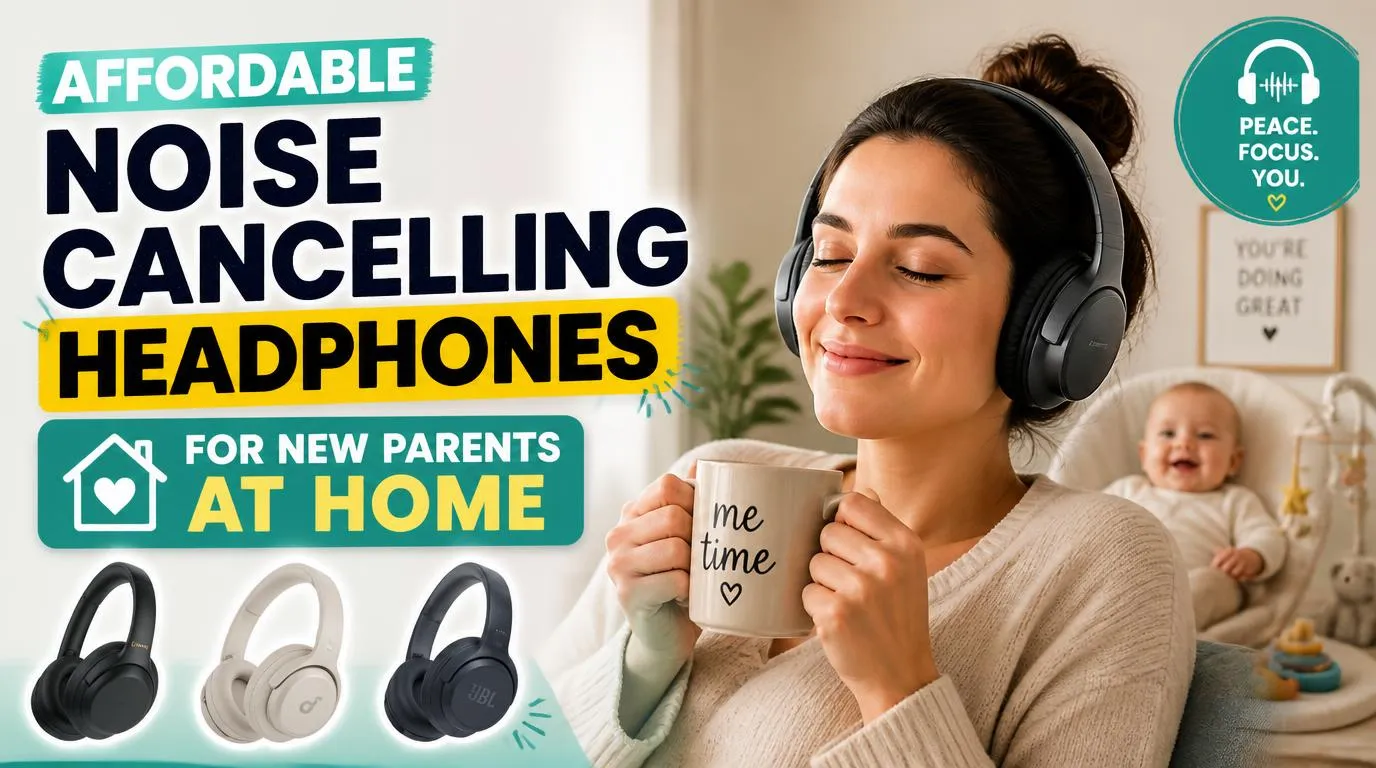
Finding affordable noise cancelling headphones for new parents at home was honestly a survival mission for me. My daughter was three weeks old, screaming at 2 AM, and my partner was handling the shift while I desperately needed two hours of sleep before my turn. Earplugs weren’t cutting it. I needed something that could block out chaos without costing a fortune, because diapers already owned my bank account. That search changed my sanity levels completely.
Why New Parents Actually Need Noise Cancelling Headphones
This isn’t about ignoring your baby. Let me get that out of the way immediately. It’s about protecting the tiny windows of rest, focus, or calm that keep you functional as a human being.
When my wife was on baby duty and I had the green light to sleep, regular earbuds did nothing against the crying, the white noise machine bleeding through the walls, and the dog barking every time the baby squeaked. I needed genuine noise cancellation, not just music turned up loud enough to cause hearing damage.
New parents work in shifts. Whether you’re pumping, catching a nap, taking a work call from home, or just trying to eat a meal without your nervous system firing on high alert, a decent pair of noise cancelling headphones creates a bubble. That bubble is priceless. But the headphones themselves don’t have to be.
I set a hard budget of $80 and tested five pairs over three months of paternity leave. Some were great. Some were garbage. Here’s what I actually found.
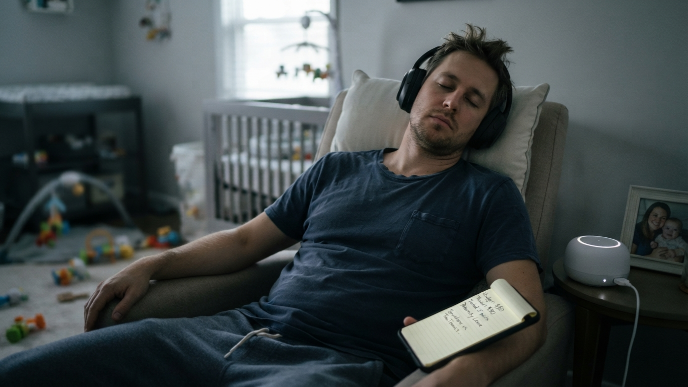
1. Soundcore Life Q30 by Anker
This was the first pair I grabbed and honestly the one I kept reaching for the most. At around $55 to $60, the Life Q30 punches way above its price when it comes to active noise cancellation.
Three ANC modes let you choose between transport, indoor, and outdoor settings. The indoor mode was perfect for filtering out the constant hum of our house, the HVAC, the washing machine running nonstop, background TV noise. Battery life stretches to about 40 hours with ANC on, which meant I charged these maybe once a week. The ear cushions are soft memory foam and didn’t make my ears sweat during longer naps, which sounds like a tiny detail until you’ve woken up with damp, uncomfortable ears at 4 AM.
2. JBL Tune 770NC
JBL has been making solid budget headphones for years, and the Tune 770NC landed at around $70 when I bought them. The noise cancellation is effective without being aggressive, meaning you can still hear a baby crying loudly if needed, but general household noise fades out nicely.
What stood out was the comfort during side sleeping. The ear cups are slim enough that I could lie on my side without the headphones digging into my skull. If you’re a side sleeper catching naps on the couch, this matters more than any spec sheet will tell you. The app also lets you adjust the EQ, which I appreciated for podcast listening during 3 AM feeds. Sound quality for music was decent, not audiophile level, but absolutely fine for the price.
3. Edifier WH950NB
Edifier doesn’t get the same marketing hype as Sony or Bose, and that works in your favor because the WH950NB regularly sits around $75 to $80 and delivers noise cancellation that genuinely competes with headphones twice the price.
I tested these during my wife’s nap shifts and was impressed by how well they blocked out our squeaky hardwood floors and the sound of me trying (and failing) to quietly make coffee. The Hi-Res Audio certification is a nice bonus if you care about sound quality, and honestly the detail in the mids and highs surprised me. Build quality feels premium with a matte finish that doesn’t look cheap. The folding design also meant I could toss them in the diaper bag without worrying about them getting crushed under the mountain of stuff we apparently needed to leave the house.
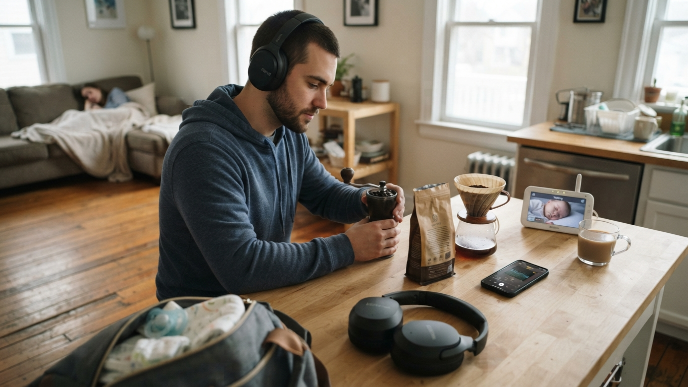
4. Sony WH-CH720N
Sony’s budget noise cancelling option runs about $70 to $80 and weighs only 192 grams, making it the lightest pair I tested. That weight difference sounds insignificant on paper, but when you’re wearing headphones for two or three hours during a nap window, lighter is noticeably better.
Sony’s Integrated Processor V1 handles the noise cancellation, and it’s solid. Not quite at WH-1000XM5 levels, obviously, but it handles consistent low-frequency sounds like fans and appliances really well. The multipoint connection was useful for me since I’d pair them with my phone and laptop simultaneously, switching between a baby monitor app and a work call without fiddling with Bluetooth settings. One downside: the ear pads are a bit shallow, so if you have larger ears, they might press against the drivers after extended wear.
Affordable Noise Cancelling Headphones for New Parents: What Actually Matters
Forget frequency response charts and driver sizes for a minute. After three months of real use during the most exhausting period of my life, here’s what I actually cared about when choosing affordable noise cancelling headphones for new parents at home.
Comfort During Sleep
If you can’t comfortably wear headphones while lying down, they’re useless for half the situations new parents need them. Bulky ear cups that stick out too far make side sleeping impossible. I specifically looked for low-profile designs and soft padding that wouldn’t create pressure points.
Battery Life Over 30 Hours
You will forget to charge things. That’s just how the newborn fog works. I once forgot to put on deodorant for two days, so remembering to charge headphones every night was not happening. Anything with less than 30 hours of battery life with ANC on became a problem within the first week.
Transparency Mode
This feature lets outside sound in with a button press. When your partner needs to hand off the baby or you want to listen for specific sounds without removing your headphones, transparency mode is essential. Every headphone on my list includes this, and I used it constantly. It meant I could stay in my rest bubble but quickly check in without pulling headphones off my head and fully waking up.
Microphone Quality for Calls
Plenty of new parents work remotely. I had several video calls during paternity leave where I needed to sound professional while chaos unfolded in the next room. The Soundcore Q30 and Sony CH720N both handled call quality well enough that nobody on the other end knew I was operating on four hours of sleep.
What I Skipped and Why
I deliberately avoided Apple AirPods Max and Sony WH-1000XM5. They’re fantastic headphones, but at $350 to $549, they made zero sense for my situation. The cost difference between a $60 pair and a $400 pair of noise cancelling headphones was a month of formula. Easy choice.
I also skipped true wireless earbuds for this purpose. They fall out when you roll over in bed. They’re tiny enough to lose in couch cushions, which in our house were already hiding pacifiers, burp cloths, and at least one missing sock. Over-ear headphones stayed put and stayed found.
Budget earbuds with “noise isolation” instead of active noise cancellation also didn’t make the cut. Passive isolation helps with some sounds, but it can’t touch active cancellation when your house sounds like a zoo crossed with a laundromat.
My Personal Pick After Three Months
If I had to keep just one pair from everything I tested, I’d keep the Soundcore Life Q30. The combination of effective ANC, ridiculous battery life, genuine comfort, and a price that stays under $60 made it the clear winner for my specific situation as a new parent at home.
The Edifier WH950NB is a close second if you care more about sound quality and don’t mind spending an extra $20. But for pure value when you’re hemorrhaging money on baby supplies, the Anker pair is hard to beat.
Frequently Asked Questions
Can you still hear a baby crying through noise cancelling headphones?
Yes, almost always. Active noise cancellation works best on consistent, low-frequency sounds like fans and traffic. A baby’s cry is sharp and variable, so it cuts through even the best ANC. You’ll hear it at a reduced volume, which is actually ideal for resting without fully disconnecting. Transparency mode also gives you instant full awareness.
Are affordable noise cancelling headphones for new parents worth buying under $80?
Absolutely. The technology has improved so much in the budget range that headphones under $80 now deliver ANC performance that would have cost $200 just three or four years ago. Brands like Anker, JBL, and Edifier are putting real engineering into their budget lines. You don’t need to spend premium prices to get meaningful noise reduction at home.
Is it safe to sleep with noise cancelling headphones on?
It’s generally fine for short naps, especially if your partner is awake and on baby duty. I wouldn’t recommend wearing them for a full overnight sleep since you want to stay somewhat aware. Use transparency mode or set a timer on your phone as backup. The key is communication with your partner about who’s “on call” during each shift.
Do noise cancelling headphones work without playing music?
Yes, and I used them this way all the time. You can turn on ANC without playing any audio, and they’ll still reduce ambient noise significantly. I’d often wear them with nothing playing just to take the edge off household noise while resting. It creates a quiet cocoon that made falling asleep much easier during daytime nap shifts.
What’s the difference between noise cancelling and noise isolating headphones?
Noise isolating headphones use physical materials like foam or silicone to passively block sound, similar to earplugs. Noise cancelling headphones use built-in microphones and processors to actively generate sound waves that counteract incoming noise. Active cancellation is far more effective for the kinds of sounds you deal with at home, like appliances, voices, and general household rumble.
Conclusion
Getting through the newborn phase with your sanity intact takes every advantage you can find, and a solid pair of budget noise cancelling headphones gave me more rest than any other single purchase. Your ears, your sleep schedule, and your patience will thank you. Which headphones are you leaning toward, or have you already found a pair that works for you?