The moment I landed in Lisbon for my very first international trip, I realized I couldn’t even say “thank you” in Portuguese, and that panic sent me scrambling for easy language learning apps for first time travelers abroad. My taxi driver spoke zero English. My hotel check-in felt like charades. I’d spent weeks picking outfits and zero minutes learning basic phrases. Sound familiar? That experience completely changed how I prepare for travel now, and I’ve tested almost every app out there since.
1. Duolingo: The One You Already Know
Duolingo is probably sitting on your phone right now, and honestly, it’s a solid starting point. The gamified lessons break languages into bite-sized chunks that feel more like playing a phone game than studying. You earn streaks, compete on leaderboards, and that green owl guilt-trips you into practicing daily.
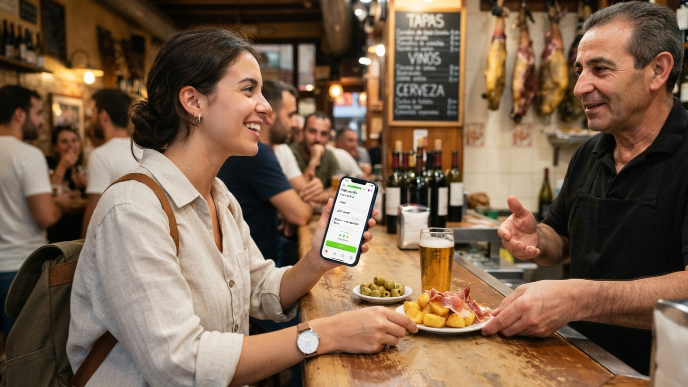
For first time travelers, the travel-specific lesson modules are gold. You can learn restaurant phrases, directions, and greetings within your first week. The free version covers everything you need. I used it for three weeks before my Spain trip and could confidently order tapas without pointing at the menu like a lost tourist. The only downside is that it focuses heavily on reading and writing, so your pronunciation might still be rough.
2. Babbel: When You Want Real Conversations Fast
Babbel takes a completely different approach from Duolingo. Instead of gamification, it builds lessons around practical, real-world conversations. Each lesson runs about 10 to 15 minutes and focuses on dialogue you’d actually use, like checking into a hotel, asking for directions, or haggling at a market.
I tried Babbel before visiting Berlin, and the German travel module had me ready for basic interactions within two weeks. The speech recognition feature corrected my awful pronunciation more times than I’d like to admit. It costs around $7 to $14 per month depending on your plan, but the structured approach feels like having a private tutor in your pocket. For travelers who want functional phrases over vocabulary drills, this one wins.
3. Google Translate: Your Emergency Lifeline
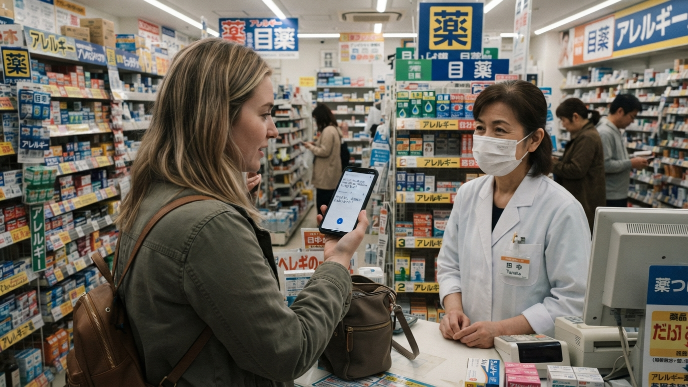
I know Google Translate isn’t technically a “learning” app. But hear me out. When you’re standing in a pharmacy in Tokyo trying to explain that you need allergy medicine, no amount of Duolingo streaks will save you. Google Translate’s camera feature lets you point your phone at signs, menus, and packaging for instant translation.
The conversation mode is where it really shines for travelers. You speak English into your phone, it speaks the translation out loud, and the other person responds in their language. I’ve used this in Italian restaurants, French train stations, and a very confusing situation involving a washing machine in Seoul. Download your destination’s language pack before you leave so it works offline. This app won’t teach you a language, but it will absolutely rescue you when your brain freezes.
Easy Language Learning Apps for First Time Travelers: Which Ones Focus on Speaking?
Reading phrases off a screen is one thing. Actually saying them to a real person is terrifying. A few apps specifically target speaking confidence, which is exactly what nervous first time travelers need.
Pimsleur: Audio-First Learning
Pimsleur is entirely audio-based, which means you can learn while packing, commuting, or wandering around your neighborhood. Each 30-minute lesson builds on the last, and you’re speaking from minute one. I used it for Italian, and by lesson ten, I could ask for a table, order wine, and compliment someone’s cooking. At $14.95 per month, it’s pricier, but the speaking confidence it builds is worth every cent if you’re anxious about verbal communication.
Mondly: Quick Daily Lessons
Mondly keeps things short with daily lessons that take about five minutes. The chatbot feature simulates real conversations, which helped me practice without the pressure of talking to an actual human. It supports 41 languages, so even if you’re headed somewhere less common like Croatia or Vietnam, you’re covered.
4. Rosetta Stone: The Classic That Still Delivers
Rosetta Stone has been around since the CD-ROM era, and it’s evolved into a genuinely good mobile app. Their immersion method throws you into the language without English translations, which sounds intimidating but actually works. Your brain starts connecting images to words instead of translating everything through English first.
The TruAccent speech engine is surprisingly accurate. It caught my terrible French “r” pronunciation repeatedly until I finally got it close enough. A lifetime subscription runs around $179 during sales, which sounds steep until you realize you can use it for every trip forever. For travelers planning multiple international trips, the long-term value makes sense. I found it especially helpful for French and Spanish, where pronunciation patterns clicked faster through immersion than through flashcards.
5. Memrise: Learn From Real Native Speakers
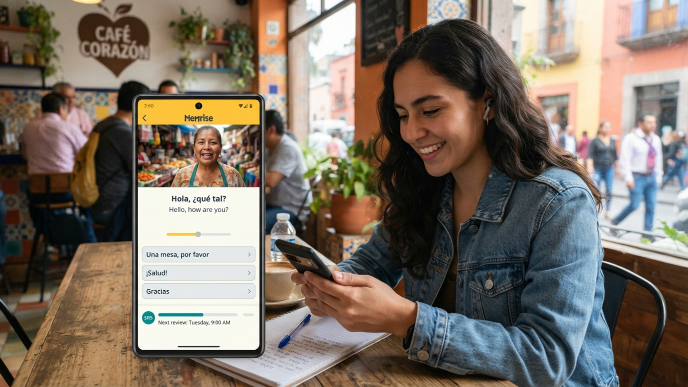
Most apps use computer-generated audio or professional voice actors. Memrise takes a different route by using video clips of actual native speakers saying phrases in real settings. This matters more than you’d think because textbook pronunciation and street pronunciation are often wildly different.
The travel-specific courses focus on survival phrases, and the spaced repetition system makes sure you actually remember what you studied last Tuesday. I used Memrise before visiting Mexico City, and hearing real Mexican Spanish speakers prepared my ear for the actual accent and speed locals use. The free version is decent, but the Pro plan at around $8.49 per month opens up all the video content and offline access. For travelers who want to understand locals and not just textbook recordings, this app stands out.
6. Tandem: Practice With Real People Before You Go
Tandem connects you with native speakers around the world for language exchange. You teach them English, they teach you their language. It’s free, it’s social, and it builds the kind of real conversational confidence that solo apps simply can’t replicate.
Before my trip to Japan, I practiced basic Japanese with a university student in Osaka through Tandem. She corrected my grammar, taught me slang the apps never covered, and even recommended restaurants in her city. By the time I arrived, I already had a local friend. The app does require more effort than passive learning, and you’ll need to be comfortable chatting with strangers. But if you have two to three weeks before departure and want to arrive feeling genuinely prepared, talking to real humans beats tapping flashcards every single time.
7. Drops: Five Minutes a Day, Zero Excuses
Some of us are lazy about studying. I include myself in that group proudly. Drops limits your free sessions to five minutes per day, which sounds limiting but actually works brilliantly for building vocabulary quickly. The visual-based approach pairs words with illustrations instead of text translations.
The travel and tourism category covers essentials like transportation, food, accommodations, and emergencies. Five minutes while drinking your morning coffee adds up fast. I picked up about 150 useful Thai words in three weeks using Drops before visiting Bangkok. It won’t make you conversational, but it gives you enough vocabulary to read basic signs, understand menus, and feel less completely lost. The premium version removes the time limit for $13 per month, but honestly, the five-minute constraint kept me consistent in a way unlimited access never does.
How to Pick the Right App for Your Trip
Not every app suits every traveler or every destination. Here’s what I’ve learned after testing all of these across six different countries.
If your trip is less than two weeks away, grab Google Translate and Drops. You need survival tools and quick vocabulary, not a semester-long course. If you have a month or more, pair Duolingo or Babbel with Pimsleur for a solid mix of reading and speaking practice. And if you’re the social type who learns best through conversation, add Tandem into whatever combination you choose.
Your destination matters too. Heading to a country where English is widely spoken, like the Netherlands or Scandinavia? A basic phrase app is plenty. Going somewhere like rural Japan, small-town Italy, or anywhere in South America? Invest more time in speaking practice. The effort you put in directly correlates with how comfortable and connected you’ll feel abroad.
FAQs
How far in advance should I start using language apps before traveling?
Three to four weeks gives you enough time to learn greetings, basic questions, food vocabulary, and emergency phrases without feeling overwhelmed. Even two weeks of consistent daily practice makes a noticeable difference. The key is showing up for short sessions every day rather than cramming the night before your flight. Consistency beats intensity for travel language prep.
Can easy language learning apps for first time travelers actually make me fluent?
No app will make you fluent in a few weeks, and any app claiming otherwise is lying. But fluency isn’t the goal for travel. You need functional phrases, basic comprehension, and enough confidence to try. Apps get you to a survival level where you can order food, ask for help, and show locals you respect their language enough to make an effort.
Are free language apps good enough for travel prep?
Absolutely. Duolingo’s free tier, Google Translate, and the free version of Drops cover most travel basics without spending a dollar. Paid apps like Babbel and Pimsleur offer more structured learning and better speaking practice, but they’re not mandatory. I’ve traveled successfully using only free tools. Spend money on paid versions only if you want deeper conversational skills.
Which app works best for languages that don’t use the Latin alphabet?
Drops and Memrise handle non-Latin scripts like Japanese, Korean, Thai, and Arabic particularly well. Drops uses visual associations that help you recognize characters without rote memorization. Memrise’s native speaker videos show you how characters sound in real speech. I’d also recommend pairing either app with Google Translate’s camera feature so you can read signs and menus on the go.
Do I need to download language packs for offline use?
Yes, and this is the single most important thing first time travelers forget. Airport Wi-Fi is unreliable, data roaming is expensive, and you’ll need translations most in places with weak signal, like subway stations or rural areas. Google Translate, Babbel, and Memrise all offer offline language packs. Download them at home before you leave. Future you will be grateful.
Conclusion
The best travel prep isn’t just booking flights and packing bags. Spending even fifteen minutes a day with the right app completely changes how your trip feels, from stressful tourist moments to genuine human connections. Which app are you leaning toward for your first trip abroad?