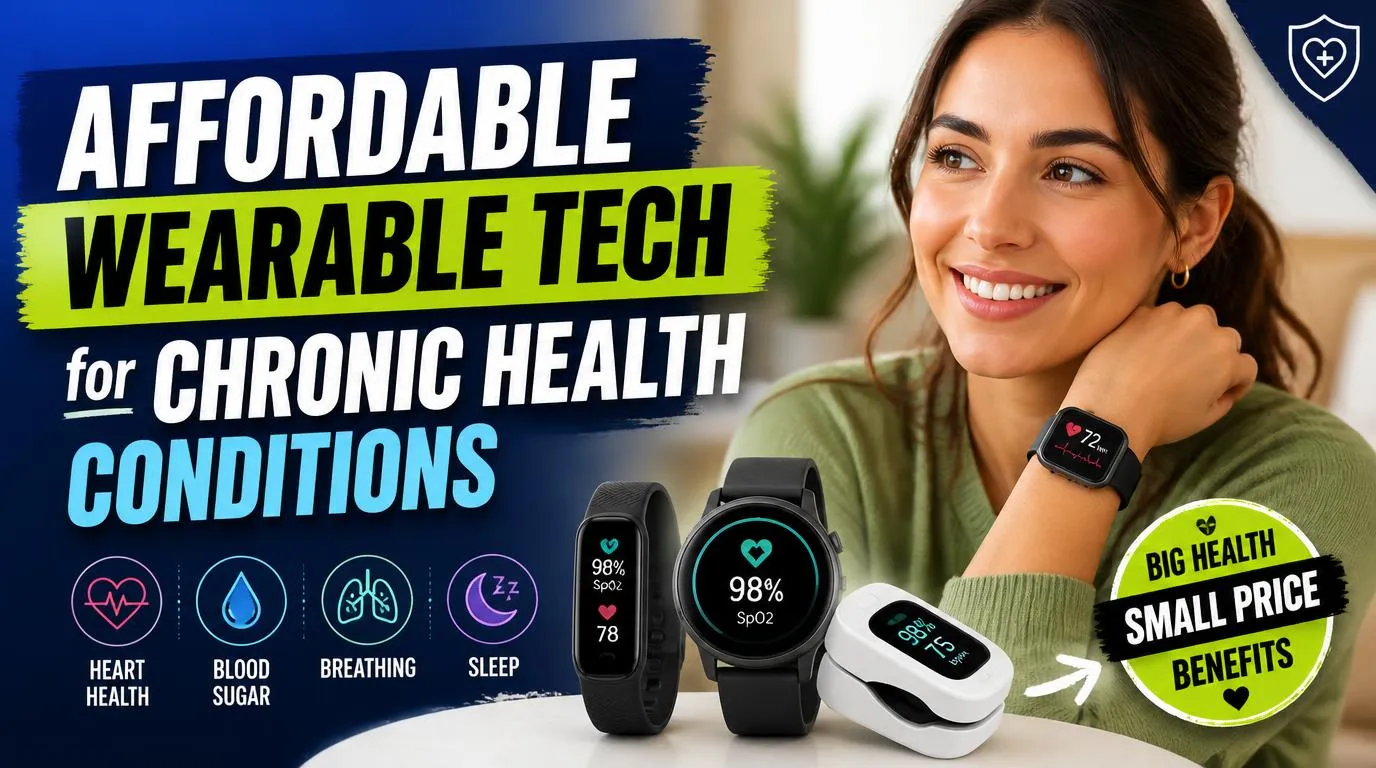
Affordable wearable tech for people managing chronic health conditions changed how I handle my own autoimmune disease, and I’m not exaggerating. Two years ago, I was drowning in symptom journals, missed medication reminders, and guessing whether my heart rate spikes meant a flare or just anxiety. The right device on my wrist replaced all that chaos with actual data. But most buying guides skip the stuff that matters to us, the people who genuinely need these tools to function.
Why Most “Best Wearable” Lists Miss the Point for Chronic Illness
Here’s the thing. Most tech reviewers test wearables for fitness goals. They care about VO2 max estimates and running cadence. When you’re managing something like diabetes, heart failure, fibromyalgia, or epilepsy, your priorities look completely different.
You need reliable heart rate monitoring that doesn’t glitch during rest. You need battery life that survives a bad fatigue day when charging feels impossible. You need medication reminders, sleep tracking that actually breaks down your patterns, and blood oxygen readings you can share with your doctor. And you need all of this without spending $500.
I’ve tested nine devices over the past two years while managing Hashimoto’s thyroiditis. Some were terrible. Some surprised me. This guide focuses on what actually works for people living with ongoing health challenges, not weekend warriors training for a 10K.
What to Look for Before You Buy
Before I get into specific devices, there are a few things I wish someone had told me before my first purchase. Not every feature matters equally, and marketing language can be misleading.
Continuous heart rate monitoring is non-negotiable. Some budget trackers only check your heart rate every few minutes, which means they miss spikes and dips. Look for devices that monitor continuously and alert you when readings go abnormally high or low.
Battery life matters more than you think. When you’re in a flare and barely getting out of bed, the last thing you want is a dead device on your nightstand. Aim for at least five days of battery life. Some devices last two weeks, which is a massive relief.
Data Sharing and App Ecosystem
Your wearable is only as useful as the data it lets you export. Can you generate a PDF report for your rheumatologist? Does the app sync with Apple Health or Google Fit? I learned this the hard way when my first tracker trapped all my sleep data inside a clunky proprietary app with no export option. My neurologist literally could not use it.
Also check whether the app requires a subscription to access core health features. Some brands lock SpO2 trends or advanced sleep analysis behind a monthly paywall, which adds up fast.
1. Fitbit Inspire 3: Best Overall Budget Pick
The Fitbit Inspire 3 costs around $80 and honestly punches way above its price. I wore this daily for six months during a rough stretch of thyroid fluctuations, and it caught patterns my symptom journal never did.
It tracks heart rate continuously, monitors blood oxygen overnight, logs stress levels, and has genuinely useful sleep staging data. The Fitbit app lets you log medications, track symptoms, and see trends over weeks. Battery life hits about ten days, which meant I could forget about charging during my worst fatigue periods.
The downside? The screen is small, so if you have vision issues or joint problems in your hands, navigating menus can feel fiddly. But for the price, this is the device I recommend most to friends who are just starting with wearable health tracking.
2. Xiaomi Smart Band 9: Best Under $40
If your budget is genuinely tight, the Xiaomi Smart Band 9 is hard to beat. At roughly $35, it gives you 24/7 heart rate monitoring, SpO2 tracking, sleep analysis, and stress monitoring. The battery lasts up to 21 days. Twenty-one days. That number still blows my mind.
I gave this one to my mom, who manages type 2 diabetes and mild heart arrhythmia. She loved how lightweight it felt, barely noticeable on her wrist. The Zepp Life app is decent for daily check-ins, though it doesn’t offer the depth of Fitbit’s ecosystem.
The trade-off is accuracy. Heart rate readings during very low activity can sometimes lag behind a dedicated medical device. For general trend tracking and daily awareness, though, this thing earns its keep ten times over.
3. Samsung Galaxy Fit3: Best for Android Users
Samsung’s Galaxy Fit3 sits around $60 and integrates beautifully with Samsung Health, one of the best free health apps available. If you already use a Samsung phone, this pairing feels seamless.
What sets it apart for chronic illness management is the Samsung Health app’s ability to track blood pressure when paired with a compatible Samsung Galaxy Watch for calibration. On its own, the Fit3 handles heart rate, sleep, stress, and workout tracking with solid accuracy. The battery lasts about 13 days.
I tested this alongside the Fitbit Inspire 3 for two months. Samsung’s sleep tracking felt slightly more detailed, especially when it came to identifying periods of wakefulness. If you’re dealing with conditions like chronic fatigue syndrome where sleep quality data really matters, this edge is meaningful. The screen is also noticeably larger and easier to read, which my mom appreciated when she tried it.
4. Garmin Vivosmart 5: Best for Detailed Body Battery Data
Garmin’s Vivosmart 5 costs about $130, which is on the higher end of “affordable,” but the Body Battery feature alone justifies the price for people managing energy-limiting conditions. This feature uses heart rate variability, stress, activity, and sleep data to give you a single energy score from 1 to 100.
For me, this was a revelation. I started planning my days around my Body Battery score. If I woke up at 35, I knew to cancel afternoon plans. If I was at 80, I could handle a grocery run and a doctor’s appointment in the same day. It sounds simple, but having a number to validate what my body was already telling me reduced so much guilt around “not doing enough.”
Heart rate monitoring is continuous and reliable. The pulse ox sensor works well overnight. Garmin Connect lets you export data in formats that most healthcare providers can actually use.
The screen is a narrow OLED touchscreen, which keeps the device slim but means you’re doing a lot of scrolling. Also, the Garmin ecosystem can feel overwhelming at first with all its metrics. Stick with the basics for the first few weeks.
5. Amazfit Band 7: Best Value for Sleep Tracking
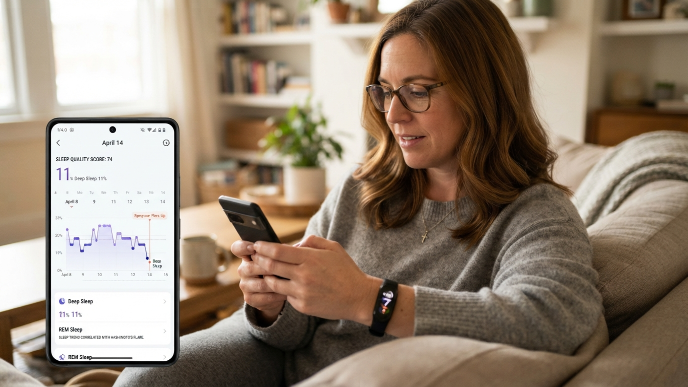
The Amazfit Band 7 runs about $35 to $50 and comes packed with features that rival devices twice its price. Sleep tracking is where it truly shines, offering detailed breakdowns of light, deep, and REM sleep, plus a sleep quality score and breathing disturbances data.
I wore this for three months specifically to track how my sleep patterns correlated with Hashimoto’s flares. The Zepp app showed me clear trends: my deep sleep percentage dropped significantly about four days before my worst symptom days. That pattern helped my endocrinologist adjust my medication timing.
Battery life is about 18 days. The heart rate sensor is adequate for resting and light activity. It won’t compete with a Garmin for exercise accuracy, but chronic illness management rarely requires marathon-level precision.
One annoyance: notification management on the Zepp app can be clunky. I got duplicate alerts for a while before figuring out the settings.
6. Apple Watch SE (2nd Gen): Best for iPhone Users Willing to Spend a Bit More
The Apple Watch SE 2nd Gen typically runs between $180 and $230 depending on sales. That’s a stretch for a “budget” list, but I’m including it because the health features and ecosystem integration are unmatched if you already own an iPhone.
Fall detection, emergency SOS, heart rhythm notifications, and a medication tracking app built right into watchOS make this the most complete health management tool on this list. The Health app on iPhone lets you compile a comprehensive health record that you can share directly with providers through participating health systems.
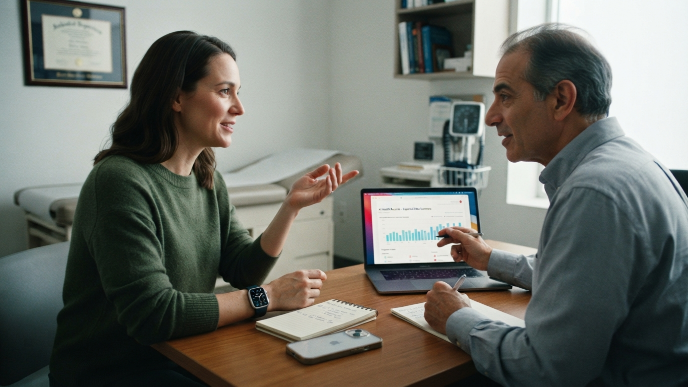
I wore an Apple Watch SE for four months. The medication reminders were the most reliable I’ve ever used, and the ability to log symptoms alongside vitals in one place made my quarterly rheumatology appointments far more productive. My doctor actually commented on how useful the exported data was.
The downside is battery life. You’ll charge this thing every day, sometimes twice. For someone in a deep fatigue cycle, that’s a real problem. If daily charging doesn’t bother you and you’re in the Apple ecosystem, this is the strongest option here.
Affordable Wearable Tech for People Managing Chronic Health Conditions: What Matters Most
After testing all these devices, I’ve come to a simple conclusion about what separates a helpful health wearable from a useless one. It comes down to three things: consistency, data accessibility, and comfort.
Consistency means the device tracks reliably without you needing to fiddle with it. If it loses your heart rate data because you wore it slightly too loose, that’s a problem.
Data accessibility means you can actually get your information out of the app and into the hands of someone who can help you. A beautiful dashboard means nothing if your cardiologist can’t see it.
Comfort means you can wear it during a flare without irritation. I’ve had devices with rigid bands that aggravated joint swelling. Soft silicone bands with a smooth clasp are worth seeking out, and most of the options above offer them.
Common Mistakes to Avoid
A lot of people buy a wearable, wear it for two weeks, then toss it in a drawer. Usually it’s because they made one of these mistakes.
First, they obsess over the numbers. Checking your heart rate every ten minutes will make your anxiety worse, not better. Set your alerts, check your trends weekly, and let the device do its job in the background.
Second, they skip the setup. Most of these devices let you customize which notifications to receive, which health metrics to prioritize, and what thresholds trigger an alert. Spending 20 minutes on setup saves you weeks of annoyance.
Third, they expect medical-grade accuracy. These are consumer wellness devices. They show trends and patterns. They’re incredibly useful for conversation starters with your care team, but they don’t replace a pulse oximeter, ECG, or continuous glucose monitor prescribed by your doctor.
Frequently Asked Questions
Are budget wearables accurate enough for chronic health monitoring?
Budget wearables provide solid trend data for heart rate, sleep, and blood oxygen. They won’t match clinical-grade devices for precision, but the patterns they reveal are genuinely valuable. I’ve used trends from a $35 Xiaomi band in real conversations with my endocrinologist, and she found the data helpful for adjusting treatment timing.
Which affordable wearable tech for chronic conditions has the best battery life?
The Xiaomi Smart Band 9 leads with up to 21 days on a single charge. The Amazfit Band 7 follows closely at around 18 days. Both are excellent choices if fatigue makes frequent charging difficult. I personally prioritize battery life above almost everything else during bad symptom stretches.
Can wearables help manage medication schedules?
Yes, and this feature alone made my Apple Watch SE worth the investment. Fitbit also offers medication logging and reminders through its app. Setting specific vibration alerts on your wrist is far more reliable than phone alarms, especially when brain fog makes you forget whether you already took your morning dose.
Do I need a subscription to access health features on these devices?
It depends on the brand. Fitbit Premium unlocks deeper health insights but the free tier covers basics like heart rate trends and sleep staging. Garmin Connect is completely free. Samsung Health is free. Always check what’s behind a paywall before buying, because a $5 monthly subscription adds $60 a year to your “affordable” device.
Is the Apple Watch SE worth the higher price for health management?
If you use an iPhone and can handle daily charging, absolutely. The integration with Apple Health, fall detection, medication tracking, and emergency SOS features create a safety net that cheaper devices simply can’t match. I found it most valuable during periods when my symptoms were unpredictable and I needed quick access to emergency features.
Can I share wearable health data with my doctor?
Most modern wearable apps allow some form of data export. Apple Health and Garmin Connect handle this best, offering PDF summaries and direct integration with certain healthcare portals. Fitbit and Samsung Health also allow data exports, though the process requires a few extra steps. Always ask your provider what format they prefer.
Conclusion
The right wearable won’t cure anything, but it gives you something powerful: information about your own body that you can actually act on. I genuinely believe affordable wearable tech for people managing chronic health conditions is one of the best investments you can make for your quality of life. So which device on this list caught your eye, and what health metric matters most to you right now?