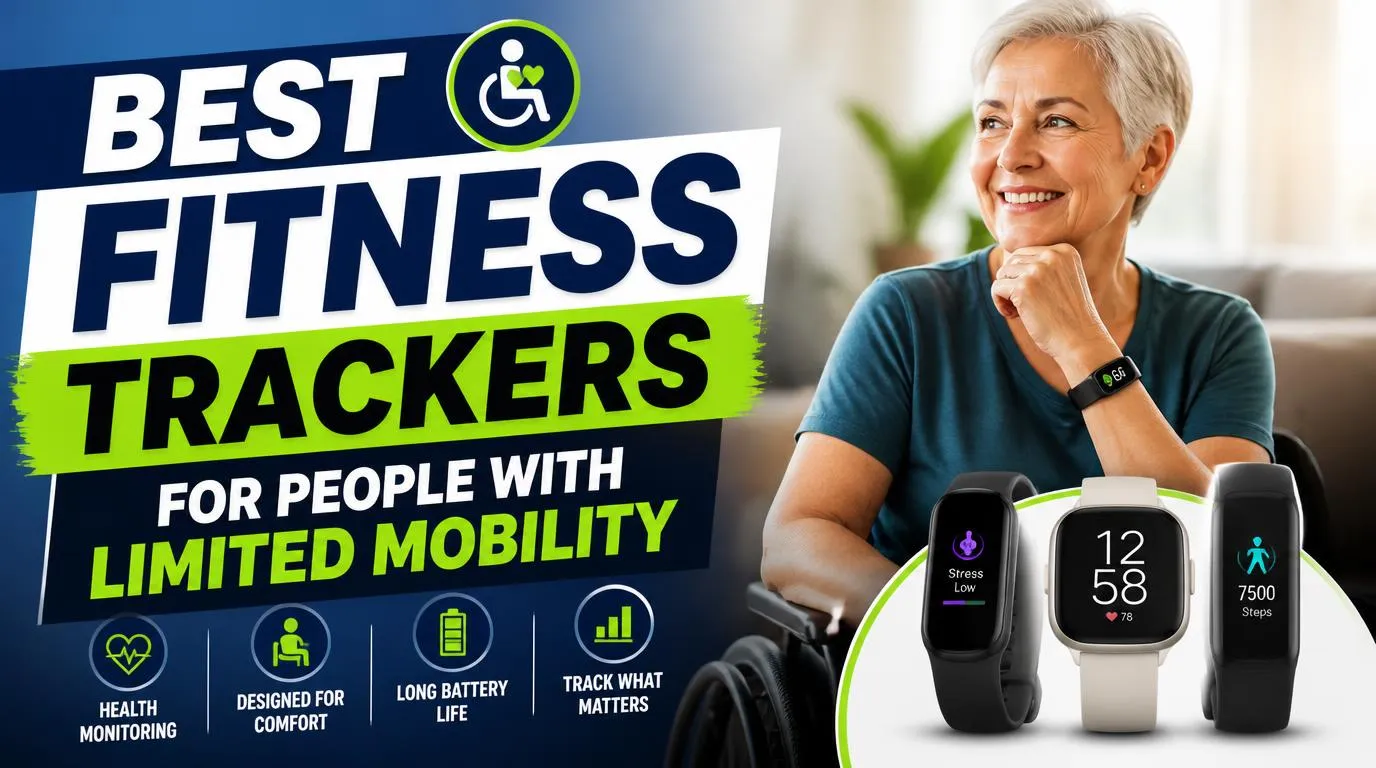
Finding the best fitness trackers for people with limited mobility feels like shopping in a store that wasn’t built for you. Most devices obsess over step counts and running stats, which is beyond frustrating when those metrics don’t reflect your reality. I spent months testing trackers after a knee injury left me using a wheelchair part-time, and I realized most “fitness” features ignored people like me entirely. The right tracker exists, though. You just need to know where to look.
Why Most Fitness Trackers Miss the Mark
Standard fitness trackers assume everyone walks 10,000 steps a day. That’s the default goal on almost every device out of the box. If you use a wheelchair, have a chronic pain condition, or recover from surgery, that assumption feels more like an insult than motivation.
Heart rate monitoring, sleep tracking, and stress management matter way more than step counts for many people. The good news is that several manufacturers have started recognizing this. Apple, Fitbit, and Google all offer accessibility features now, but they bury them in settings menus where you’d never think to look.
I personally found that the trackers worth recommending are the ones that let you customize your goals around what your body actually does, not what a Silicon Valley engineer thinks everyone should do.
Best Fitness Trackers for People With Limited Mobility: My Top Picks
1. Apple Watch Series 9/Ultra 2
The Apple Watch remains the single best option if you’re an iPhone user with limited mobility. Apple introduced wheelchair mode back in 2016, and they’ve refined it significantly since then. Instead of counting steps, it tracks push counts and gives you “roll goals” instead of stand goals.
What really sets it apart is the fall detection and crash detection features, which work whether you’re standing or seated. The heart rate monitoring is medical-grade accurate, and the blood oxygen sensor adds another layer of health data that actually matters. It’s expensive, starting around $399, but the accessibility features justify every dollar. I wore one for three months straight and it was the only tracker that didn’t make me feel like I was failing by default.
2. Fitbit Charge 6
Fitbit’s Charge 6 hits a sweet spot between affordability and useful features. At around $159, it tracks heart rate zones, sleep quality, stress levels through EDA sensors, and offers guided breathing exercises. You can set custom activity goals that go beyond step counting.
The Google integration means you get solid health insights through the Fitbit app, which lets you focus on metrics like active zone minutes instead of raw step numbers. The battery lasts about seven days, so you’re not charging it constantly. One thing I appreciated: the app celebrates consistency rather than intensity. If you’re active for 15 minutes doing seated exercises, it still counts and still cheers you on. That psychological detail matters more than people realize.
3. Samsung Galaxy Watch 6
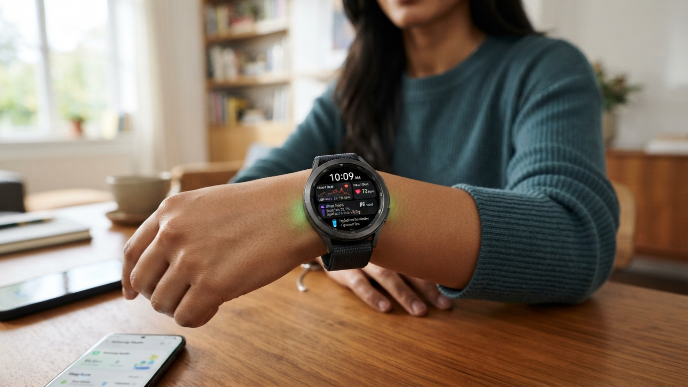
Samsung built solid accessibility features into the Galaxy Watch 6, particularly for Android users. The BioActive sensor tracks heart rate, blood pressure (with calibration), and body composition, giving you a much fuller health picture than steps alone.
What I liked most was the customizable watch face widgets. You can remove step-related displays entirely and replace them with metrics you actually care about, like heart rate trends, sleep scores, or hydration reminders. The fall detection works well, and Samsung Health connects with a wide range of third-party apps. At around $299, it’s the mid-range sweet spot. Battery life hovers around 40 hours, which is the one real downside compared to Fitbit.
4. Garmin Venu 3
Garmin built its reputation on serious athletes, but the Venu 3 quietly became one of the best options for people managing chronic conditions. The Body Battery feature tracks your energy levels throughout the day using heart rate variability, stress, and sleep data. For someone with limited mobility or a fatigue-related condition, knowing when your body has energy versus when it’s running on empty is incredibly practical.
The wheelchair mode exists here too, tracking pushes and offering adapted workout profiles. Sleep coaching is excellent, analyzing your sleep stages and giving you a morning report. At roughly $449, it’s a premium device. But the health monitoring depth makes it worth serious consideration if your focus is managing a condition rather than training for a race.
5. Fitbit Inspire 3
Sometimes you want something simple, lightweight, and affordable. The Fitbit Inspire 3 costs about $99, weighs almost nothing on your wrist, and covers the basics beautifully. Heart rate tracking, sleep monitoring, stress management tools, and customizable goals are all included.
It lacks some advanced features like blood oxygen monitoring during the day, but for someone who just wants a reliable daily health companion without overwhelming data, it’s perfect. I recommended this to my aunt who has MS, and she told me it was the first tracker that didn’t feel punishing. The slim profile also means it doesn’t snag on wheelchair armrests or get in the way during transfers, which is a practical detail most reviewers never mention.
6. Whoop 4.0
Whoop takes a completely different approach. There’s no screen at all. It’s a strap you wear on your wrist, bicep, or even in special clothing, and it focuses entirely on recovery, strain, and sleep. No step counting whatsoever.
For people with limited mobility, this screen-free philosophy is surprisingly refreshing. You check your data on your phone when you want to, and the device just quietly collects information in the background. The recovery score each morning tells you how ready your body is for activity, which is genuinely useful for managing energy with chronic conditions. The catch is the subscription model, around $30 per month, which adds up fast. But if biometric data matters more to you than traditional fitness metrics, Whoop delivers it better than almost anything else.
Features That Actually Matter When Mobility Is Limited
Forget the marketing buzzwords. Here’s what to prioritize when choosing a tracker with limited mobility.
Heart rate monitoring should be continuous, not just on-demand. This helps track cardiovascular health regardless of whether you’re walking, wheeling, or doing seated exercises. Look for optical sensors that sit flush against your wrist, because loose-fitting bands give garbage readings.
Sleep tracking is equally important. Many mobility-related conditions affect sleep quality, and understanding your sleep stages helps you make real changes. Garmin and Fitbit both excel here.
Fall detection is non-negotiable for some users. Apple Watch and Samsung Galaxy Watch both offer automatic fall detection that contacts emergency services if you don’t respond within a set timeframe.
Custom goals round out the essentials. Any tracker that forces you into a step-based framework without alternatives isn’t worth your money. Period.
Wheelchair Mode: Which Trackers Actually Have It
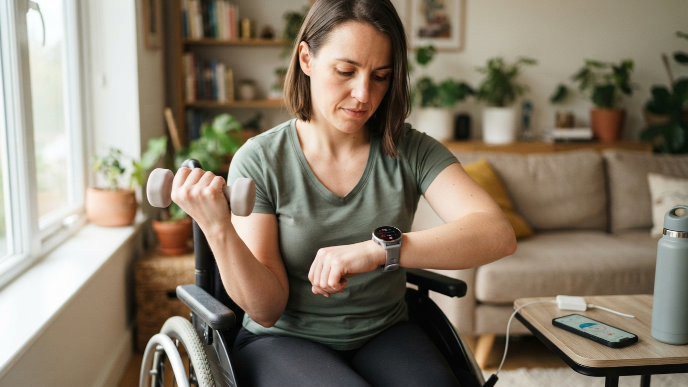
Only a handful of trackers offer a dedicated wheelchair mode, and the quality varies wildly. Apple Watch has the most polished version, replacing stand reminders with roll reminders and tracking pushes accurately. Garmin’s wheelchair mode on the Venu 3 is solid but slightly less refined.
Fitbit doesn’t offer a specific wheelchair mode as of 2024, but you can customize goals to remove step-centric targets. Samsung is in a similar boat, offering flexibility without a dedicated mode.
If wheelchair tracking is your primary need, the Apple Watch is the clear winner. If you just need a tracker that doesn’t shame you about steps, Fitbit and Samsung both handle that gracefully with a few minutes of customization.
What I Learned After Six Months of Testing
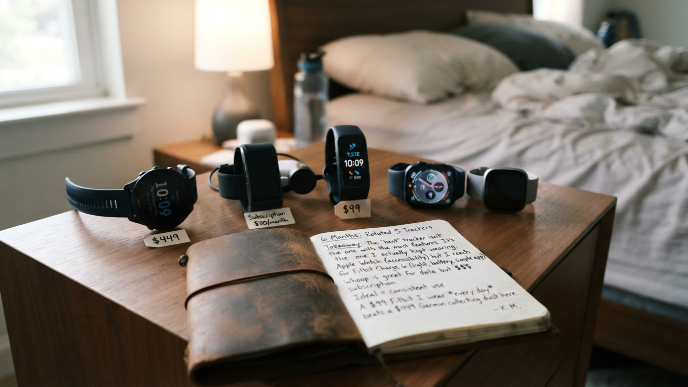
I rotated through five different trackers over six months, and the biggest takeaway surprised me. The “best” tracker wasn’t the one with the most features. It was the one I actually kept wearing.
The Apple Watch had the best accessibility features, but I found myself reaching for the Fitbit Charge 6 more often because it was lighter, lasted longer on a charge, and the app felt less overwhelming. Meanwhile, the Whoop was fascinating for deep health data, but the subscription cost made me resentful every month.
Your ideal tracker depends on what you’ll consistently use. A $99 Fitbit you wear every day beats a $449 Garmin collecting dust on your nightstand.
Frequently Asked Questions
Can fitness trackers accurately track wheelchair exercise?
Apple Watch and Garmin Venu 3 both offer wheelchair-specific tracking that counts pushes instead of steps. Accuracy improves when you select the wheelchair user option during setup. Other brands can track heart rate during wheelchair exercise, but they won’t measure pushes or rolling distance with the same precision.
What is the best fitness tracker for someone with limited mobility on a budget?
The Fitbit Inspire 3 at around $99 gives you heart rate monitoring, sleep tracking, and customizable goals without step-obsessed defaults. It’s lightweight enough to forget you’re wearing it, the battery lasts up to 10 days, and the app makes it easy to focus on the health metrics that matter to you.
Do fitness trackers work for seated exercises?
Yes, most modern trackers pick up elevated heart rates during seated exercises and log them as active minutes. You’ll get the best results by manually starting a workout session on devices like Apple Watch or Fitbit, which tells the tracker to pay closer attention to your heart rate zones during that activity.
Are fitness trackers helpful for managing chronic conditions?
Absolutely. Continuous heart rate data, sleep analysis, and stress tracking give you patterns you can share with your doctor. Garmin’s Body Battery and Whoop’s recovery scores are particularly useful for conditions involving fatigue, because they help you plan activities around your actual energy levels rather than guessing.
Which fitness tracker has the best fall detection for people with limited mobility?
Apple Watch Series 9 currently offers the most reliable fall detection, working from both standing and seated positions. It automatically calls emergency services and shares your location if you don’t respond within one minute. Samsung Galaxy Watch 6 also includes fall detection, though some users report slightly less sensitivity during seated falls.
Conclusion
The right fitness tracker should make you feel empowered about your health, not guilty about arbitrary goals someone else set. Every device on this list respects that idea in its own way, and your perfect match depends on your body, your budget, and what data actually helps you live better. Which tracker caught your eye, or is there one you’ve tried that I should test next?